carlo20
О себе
Where the Pressure Builds: Common Nursing Writing Struggles and the Support Landscape That's Grown Around Them
Every nursing program produces a fairly predictable set of pain points, moments in the curriculum NURS FPX 4025 Assessments where writing demands collide with clinical demands, personal circumstances, or simple unfamiliarity with academic expectations, and students across very different institutions end up describing remarkably similar struggles. Around these recurring pressure points, an entire support landscape has grown, some of it built into universities themselves, some of it commercial and external. Looking closely at what actually causes nursing students to struggle with writing, and how the resulting support industry has shaped itself around those specific struggles, gives a clearer picture than treating "nursing writing help" as one undifferentiated category of need and one undifferentiated category of response.
The first and most universal struggle is simple time scarcity, and it's worth being specific about why nursing programs produce this particular kind of scarcity more acutely than many other demanding majors. Clinical hours are fixed, scheduled by the institution and often by an external clinical site, and cannot be shifted or skipped the way a student might reasonably decide to attend fewer optional study sessions in another discipline. A single clinical rotation day frequently runs ten to twelve hours, often starting before dawn, and students arrive home too physically and mentally depleted to immediately begin substantive academic writing, even when a paper is due within days. Layer onto this the fact that many BSN students, particularly in RN-to-BSN and accelerated second-degree tracks, are also working part-time or full-time jobs, sometimes in healthcare settings themselves, and the actual number of hours available for writing in a given week shrinks to something genuinely difficult to manage without either sacrificing sleep, sacrificing quality, or seeking outside support. Commercial writing services have built entire business models around this specific pressure point, marketing heavily around phrases like "fast turnaround" and "last-minute help," recognizing correctly that the moment of greatest vulnerability for a nursing student is precisely this collision between clinical exhaustion and an approaching deadline. The response from universities, where it exists, tends to look different: some programs have begun building more flexibility into deadline structures around known clinical-heavy weeks, and some writing centers now offer extended or emergency appointment slots specifically timed around common assignment due dates, though this kind of proactive institutional accommodation remains inconsistent across programs.
A second common struggle, distinct from time pressure, is a genuine skills gap in academic writing conventions among students who are otherwise clinically capable. This shows up with particular frequency among two overlapping groups: students entering nursing as a second career after years in a non-academic field, and international students or English-language learners who bring substantial clinical experience but limited exposure to American academic writing norms, thesis-driven argumentation, extensive in-text citation, and the specific formality expected in scholarly nursing writing. These students frequently describe a frustrating mismatch between their actual clinical competence, sometimes considerable, and their comfort with the written demands of the coursework meant to demonstrate that competence, a gap that has nothing to do with intelligence or clinical judgment and everything to do with unfamiliarity with a specific set of academic conventions. Writing centers are generally well positioned to address exactly this kind of struggle, since building comfort with academic conventions through repeated practice and feedback is precisely what they're designed for, and many university writing centers have developed particular expertise in supporting multilingual and non-traditional students specifically. Commercial services have responded to this same need somewhat differently, with a subset of tutoring platforms marketing specifically toward international nursing students and second-career students, sometimes offering tutors who share similar backgrounds or language experience, which some students find genuinely more approachable than a general campus writing center, particularly if that student feels NURS FPX 4000 self-conscious about their English proficiency in a way that makes seeking help from an unfamiliar campus resource feel more intimidating.
A third struggle, less discussed but strikingly common, involves the specific difficulty of evidence-based practice papers and literature reviews, assignments that ask students to engage critically with research literature, often for the first time in any serious way. Many nursing students, even strong ones, have simply never been taught how to efficiently search a database like CINAHL, how to distinguish a well-designed study from a weaker one, or how to synthesize multiple sources into an original argument rather than a string of separate summaries. This isn't really a writing problem at its root, it's a research literacy problem that manifests as a writing struggle once a student sits down to produce the actual paper. Health sciences librarians are, without much competition, the single best-positioned resource to address this specific struggle, since constructing a focused clinical question and navigating specialized databases is exactly their area of expertise, yet this resource remains dramatically underused by nursing students who often don't realize a dedicated librarian consultation is available to them or assume, incorrectly, that library help is only relevant for much larger research projects. Commercial services have moved aggressively into this particular gap, and it's one of the areas where the quality difference between reputable and low-quality services shows up most starkly, since genuinely evaluating research quality requires real subject matter expertise that a generalist freelance writer, however skilled at prose, often simply doesn't have. Students struggling specifically with the research phase of an assignment are generally far better served checking whether their institution offers a librarian consultation before considering any paid alternative, since this is one of the clearest cases where a free, expert resource directly and specifically addresses the actual underlying problem.
A fourth struggle centers on care plans and clinical reasoning documents specifically, and it's worth separating this from general academic writing difficulty because the challenge here is conceptual rather than stylistic. Students frequently describe understanding the format of a care plan perfectly well, they know what sections are required, what headers to use, how the document should be organized, while still struggling to reason through which nursing diagnosis actually takes priority for a specific patient, or which interventions genuinely fit that patient's situation rather than being generic textbook answers. This is fundamentally a clinical reasoning struggle wearing the clothing of a writing assignment, and it responds best to exactly the kind of support that engages with the clinical logic directly: a clinical instructor walking through the reasoning during post-conference discussion, a study group working through the same patient scenario together and comparing their reasoning, or a tutor with genuine nursing background who can ask the kind of probing questions, why does this take priority, what would happen if you addressed the other problem first, that actually build clinical judgment rather than just correcting a document's structure. This is precisely the area where using a generalist writing service, staffed by someone without clinical training, tends to produce the least useful outcome, since a non-clinical writer can polish the prose of a care plan without ever being able to meaningfully engage with whether the underlying clinical reasoning is actually nurs fpx 4025 assessment 1 sound, potentially leaving a student with a well-formatted document that reinforces incorrect clinical priorities.
A fifth, quieter struggle involves reflective and narrative writing assignments, common in psychiatric, community health, and increasingly across many parts of nursing curricula that emphasize holistic, patient-centered care. These assignments ask students to write honestly about a clinical experience, often something emotionally difficult, a patient death, a difficult family interaction, a moment of feeling unprepared or overwhelmed, while also connecting that experience to a theoretical framework in a way that satisfies academic expectations. Students sometimes struggle here because the assignment asks for two things that can feel in tension: genuine emotional honesty and academic rigor. Overly clinical, detached reflective writing often reads as unconvincing or superficial to instructors looking for authentic engagement, while purely personal, unstructured journaling misses the academic grounding the assignment requires. This is an area where peer support and small group discussion tend to be unusually effective, since classmates who've experienced similar clinical situations can help a student find language for an experience that felt difficult to put into words alone, and can also help model what successfully blending personal reflection with theoretical grounding actually looks like. It's also an area where outside commercial writing help is particularly poorly suited to the task, almost by definition, since the entire point of a reflective assignment is genuine personal engagement with the student's own lived clinical experience, something no outside writer, however skilled, can actually produce on a student's behalf without the assignment losing its entire purpose.
A sixth and increasingly significant struggle involves the capstone project specifically, distinct from earlier assignments not just in scale but in the kind of sustained, self-directed work it demands. Many nursing students have never before been asked to manage a project of this size independently, identifying their own research question, sustaining a coherent argument across dozens of pages, and pacing their own work across many weeks without the kind of regular, smaller deadlines that structure most of a nursing curriculum. This produces a specific kind of struggle that isn't really about writing skill or clinical knowledge at all, but about project management and sustained self-direction, often compounded by the fact that the capstone typically arrives in a student's final semester, when clinical demands, job searching, and licensure exam preparation are all competing for the same limited time and attention. Programs that build in structured checkpoints, a required proposal, a draft literature review due partway through, a mentor meeting at set intervals, tend to produce noticeably less crisis-driven capstone writing than programs that simply assign one final deadline months in advance. Where programs don't build in this structure themselves, students benefit enormously from creating it independently, treating the capstone as a series of smaller, self-imposed deadlines rather than one distant, overwhelming project. Commercial tutoring services have adapted to this specific struggle by offering capstone-specific coaching packages, sometimes structured explicitly around helping a student build and stick to exactly this kind of milestone schedule, which represents one of the more genuinely useful applications of paid support in this entire landscape, since project management coaching for a large, self-directed project is a legitimate skill gap that doesn't carry the same academic integrity concerns as outsourcing the actual content.
A seventh struggle, cutting across all the others, is the mental health and burnout dimension nurs fpx 4055 assessment 2 that shapes a student's actual capacity to engage with writing at all, regardless of their underlying skill level. Nursing programs have well-documented rates of student anxiety, depression, and burnout, driven by clinical intensity, the emotional weight of patient care, compressed accelerated timelines, and often significant financial pressure alongside the academic demands. A student experiencing genuine burnout may have every bit of the clinical knowledge and writing skill needed for an assignment while still finding it nearly impossible to actually sit down and produce coherent written work, since executive function and the ability to organize and structure a task both degrade considerably under sustained exhaustion and stress. This particular struggle is frequently the hidden driver behind a student's sudden interest in outsourcing an entire assignment, not because they lack competence but because they have genuinely run out of capacity in the moment. University counseling services, academic advisors who can discuss reduced course loads or extensions, and increasingly explicit wellness check-ins built into some nursing programs represent the more appropriate response to this particular struggle, since no writing service, however good, actually addresses underlying burnout, it simply produces a document while the root cause remains completely unaddressed and likely to resurface on the next assignment.
Looking across these seven distinct struggles, a clear pattern emerges: the support landscape that has grown up around nursing writing difficulties works best when it's matched specifically to the actual underlying problem, and works poorly, sometimes actively counterproductively, when a generic solution is applied regardless of what's actually driving the difficulty. Time scarcity responds to flexible scheduling, efficient tools, and sometimes legitimate tutoring support, but not to outsourcing content wholesale, which does nothing to address the recurring time pressure a student will face again on the very next assignment. Academic writing convention gaps respond well to sustained practice with feedback, exactly what writing centers and specialized tutoring are built for. Research literacy gaps respond best to librarian expertise, one of the most underused resources in this entire landscape. Clinical reasoning struggles respond specifically to engagement from people with actual clinical background, whether that's faculty, clinically-trained tutors, or peers, and respond poorly to generalist writing support that can polish prose without ever touching the underlying reasoning. Reflective writing struggles respond to peer support and are fundamentally unsuited to outside ghostwriting by definition. Capstone-scale project management struggles respond to structured milestones and coaching, one of the more legitimate applications of paid support in this whole landscape. And burnout-driven struggles respond to actual wellness support, not to any writing service at all, however sophisticated.
For a nursing student trying to figure out what kind of help they actually need in a given nurs fpx 4065 assessment 4 moment, this diagnostic approach, correctly identifying which of these struggles is actually at play, tends to be far more useful than a generic search for "nursing writing help," since that search will surface an enormous, undifferentiated mix of resources and services suited to very different problems, and using the wrong tool for the actual struggle at hand, whether that's outsourcing content to solve what's really a research literacy gap, or seeking generic tutoring to solve what's actually a burnout problem, tends to leave the real underlying issue unresolved even when the immediate assignment gets submitted on time. The most effective students tend to become fairly sophisticated over the course of a program at recognizing which specific struggle they're facing on any given assignment, and matching that struggle to the specific, appropriate resource, campus-based or commercial, rather than defaulting to the same solution every time regardless of what's actually causing the difficulty.
Профессиональные навыки
- Дизайн интерьеров
- Продажа мебели
 Мягкая мебель
  Кресла
  Диваны
  Пуфы
Пуфы  Раскладные диваны
  Модульные диваны
  Камни из шерсти
  Офисные диваны
  Кресла мешки
  Угловые диваны
  Освещение
  Бра
Бра  Люстры
  Настольные лампы
  Торшеры
  Встроенные светильники
  Потолочные светильники
  Магнитные системы
  Трековые светильники
  Уличные светильники
  Светильники для ванной комнаты
  Гипсовые светильники
  Аккумуляторные лампы
  Акустические светильники
  Текстильная трековая система
  Столы
Столы  Журнальные столики
  Рабочие столы
  Кухонные столы
  Столы для переговорных
  Раскладные столы
  Круглые столы
  Барные столы
  Кухонные комплекты
  Столы для кафе
  Декор
Декор  Подушки
  Свечи и подсвечники
  Зеркала
  Панно, Картины
  Ковры
Ковры  Вазоны для цветов
  Био камины
  Настольный декор
  Настенные часы
  Вазы
Вазы  Ароматы для дома
  Деревянные карты мира
  Стулья
  Табуреты
  Барные стулья
  Лавки
Лавки  Стулья для дома и офиса
  Офисные кресла
  Пластиковые стулья
  Геймерские кресла
  Поворотные стулья
  Кровати
  Хранение
  Тумбы
Тумбы  Консоли
  Вешалки
  Стеллажи
  Комоды
  Шкафы
Шкафы  Полки
Полки  Тумбы под ТВ
  Прикроватные тумбочки
  Прихожая
  Тумбы в ванную
  Крючки
  Детская мебель
  Детские кровати
  Детские стулья и кресла
  Детские столы
  Детские качалки
  Шкафы в детскую комнату
  Освещение в детскую
  Пеленальные столики
  Комоды в детскую комнату
  Ванная комната
  Полотенцесушители
  Раковины из бетона
  Аксессуары для ванной
  Ванны из литого камня
  Обои
Обои  Влагостойкие обои
  Виниловые обои
  Текстильные обои
  Обои расписанные вручную
  Текстиль
  Пледы
Пледы  Постельное белье
  Стеновые панели
  Звукопоглощающие панели
  Ковры
Ковры  Матрасы
  Мебель для офиса
  Компьютерные и офисные столы
 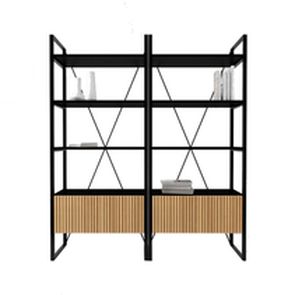 Стеллажи для офиса
  Офисное освещение
  Уличная мебель
 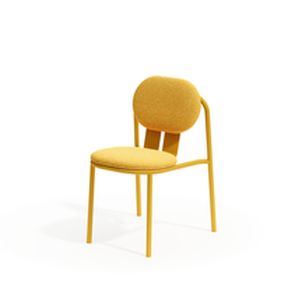 Садовые стулья
  Садовые кресла
  Садовые столы
  Садовые барные стулья
  Акустические перегородки
  Кухни
Кухни  Кухонные комплекты
  Чаши для костра
  Интерьеры
  HoReCa
  Интерьер дома
  Интерьер квартиры
  Общественный интерьер
  Интерьер офиса
  Интерьер пентхауса
  Интерьер магазина
  Смарт квартира
  Фотография